Reading as a tool for assembling vital connections during childhood.
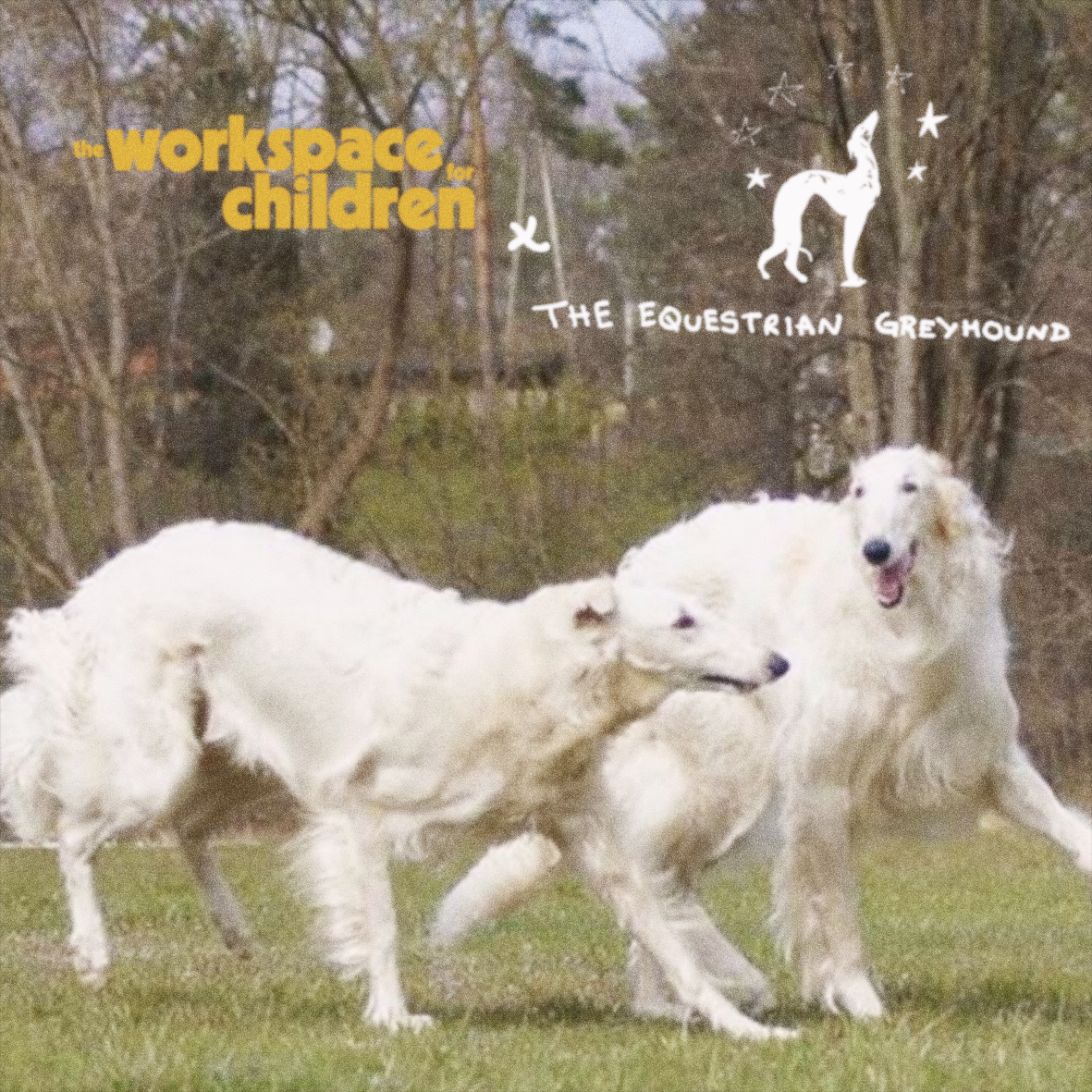
The Workspace for Children, through the eyes of Lizzie Assa.
Parenting strategist, and a true believer of the importance of building trust and having confidence in one’s instincts. Lizzie Assa introduces us to her world through The Workspace For Children, where she shares her knowledge and understanding within the world of parenting and childhood.
“Real-life ideas to help you raise curious, confident kids without losing yourself in the process.”
Curiosity, we need you!
We asked Lizzie to share her answers to some questions we believe are important for our magazine and the way in which her work relates to our mission. Because literature in childhood can mean so much, —for children, for adults, and for creating a world where imagination comes first.
You help parents feel calmer and more connected. How do you think stories can help children (and adults) regulate emotions?
Stories give kids a way to feel something big without being in the middle of it. When a child hears about a character who’s scared or frustrated or left out, they get to process that emotion from a safe distance, and that’s huge. It’s practice. When I read a picture book with kids and it hits me in the chest, that’s regulation too. Stories slow us down. They give us a shared language for the stuff that’s hard to talk about. And sometimes sitting together and reading a good book is the most regulating thing a family can do.
This shows us that her mission is clear: creating a space where both, parents and children learn to thrive, to explore the idea of a family from a constantly learning, deeply attentive environment.
Stories slow us down. They give us a shared language for the stuff that’s hard to talk about.
On our side, our magazine believes in literature as a space to build emotionally aware relationships, as key elements to be able to understand what curiosity means when it comes to exploring the world at a young age.
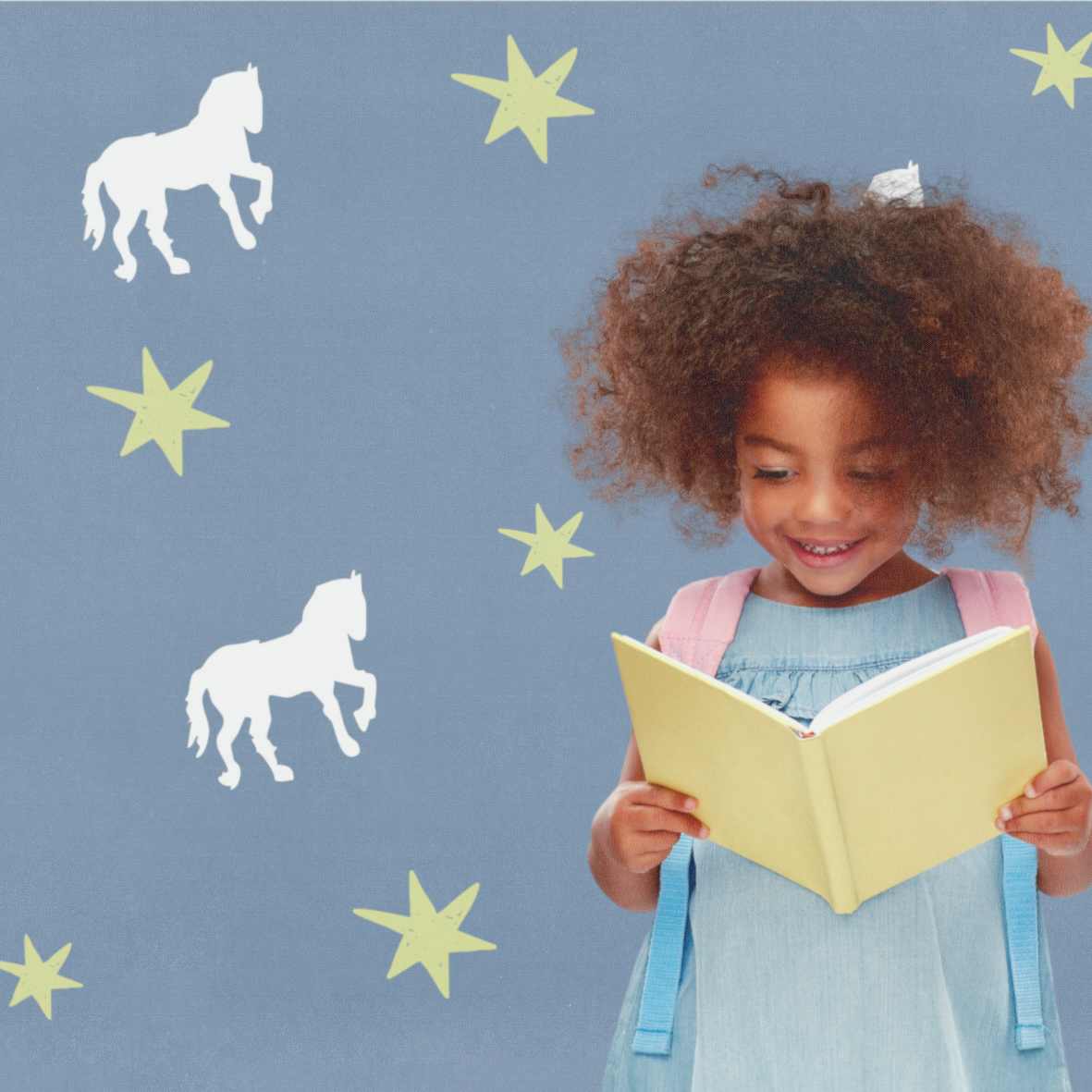
When books become the greatest form of company.
Were there any books that helped you better understand your own children — or yourself?
I love the book Hum and Swish by Matt Myers. It’s such a good reminder that kids don’t need us hovering over them asking what they’re doing. Sometimes the most supportive thing a grownup can do is step back and give them the space to play and create. What I love most is how it shows what happens when a child finds someone who can just sit beside them and work without constant questions and interruptions. That’s the kind of connection so many kids are really craving while they play.
How can parents use stories to start conversations?
The best conversations with kids don’t always happen during or right after you close a picture book. They can happen later, maybe at dinner or in the car, when something clicks. You might say, «I’m still thinking about Sophie from our book and how angry she got when her sister took her toy. It kind of makes sense that she wanted to smash the world to smithereens.» When a child hears that, they feel permission to keep thinking about it, to bring their own feelings into it, to say something back. Or not. Either way, you’ve opened a door without making it feel like a lesson.
Reading stories is much more than just entertainment.
Reading stories requires to think about them and then having conversations about what was read. The contents, the use words, the characters, the narrative. All of the elements that compose a story can change our lives. They can uplift us, show us a different way of seeing things,—help us find the words to explain what we can’t, and for that, we believe that literature in childhood is key to a kind and nurturing learning experience.
“The best conversations with kids don’t always happen during or right after you close a picture book. They can happen later, maybe at dinner or in the car, when something clicks. You might say, «I’m still thinking about Sophie from our book and how angry she got when her sister took her toy. It kind of makes sense that she wanted to smash the world to smithereens.» When a child hears that, they feel permission to keep thinking about it, to bring their own feelings into it, to say something back. Or not. Either way, you’ve opened a door without making it feel like a lesson.”
“To bring their own feelings into it”
… how powerful is that? Literature can give us the tools to understand life, or at least try to do so. And that means that it becomes a companionship in our lives (and how good is it to have it from an early stage in life?)
Based on your experience with being a parent coach, what do you think makes reading together such a powerful moment of connection between parents and children?
It’s one of the few moments in the day where nobody is asking anything of anyone. You’re not correcting, redirecting, or negotiating snacks. You’re just sitting together, turning pages. That alone is regulating for both of you. But what makes it even more powerful is that you’re sharing an experience. You’re laughing at the same thing or feeling something hard at the same time, and your child knows you’re in it with them. You don’t have to say anything profound. Just being present with a book, no phone, no agenda, is one of the simplest ways to tell your kid, «I’m right here.»
Her words resonate directly with our objectives as a magazine for children. Because it’s not about finding content to share with your child, but about creating moments, understanding each other through creativity and thought. Making it an experience of love and gentleness.
“It’s one of the few moments in the day where nobody is asking anything of anyone. You’re not correcting, redirecting, or negotiating snacks. You’re just sitting together, turning pages. That alone is regulating for both of you. But what makes it even more powerful is that you’re sharing an experience. You’re laughing at the same thing or feeling something hard at the same time, and your child knows you’re in it with them. You don’t have to say anything profound. Just being present with a book, no phone, no agenda, is one of the simplest ways to tell your kid, «I’m right here.»”

There’s no right or wrong way to share a picture book with a child you love. Show up, open the book, and be together. Some kids will cuddle up to you and some need to move around, play, or fidget while listening. Both are valuable. Connection doesn’t have to look a certain way.
And we couldn’t agree more. Connections are valuable, unique and special. We are grateful for the connections we build every single day through storytelling, reaching the hearts of many little dreamers that are now part of our most amazing audience, of brave narrators and adventurers!
Thank you for reading! (And don’t forget to read more about Lizzie’s incredible work!)